Central Heating Edinburgh
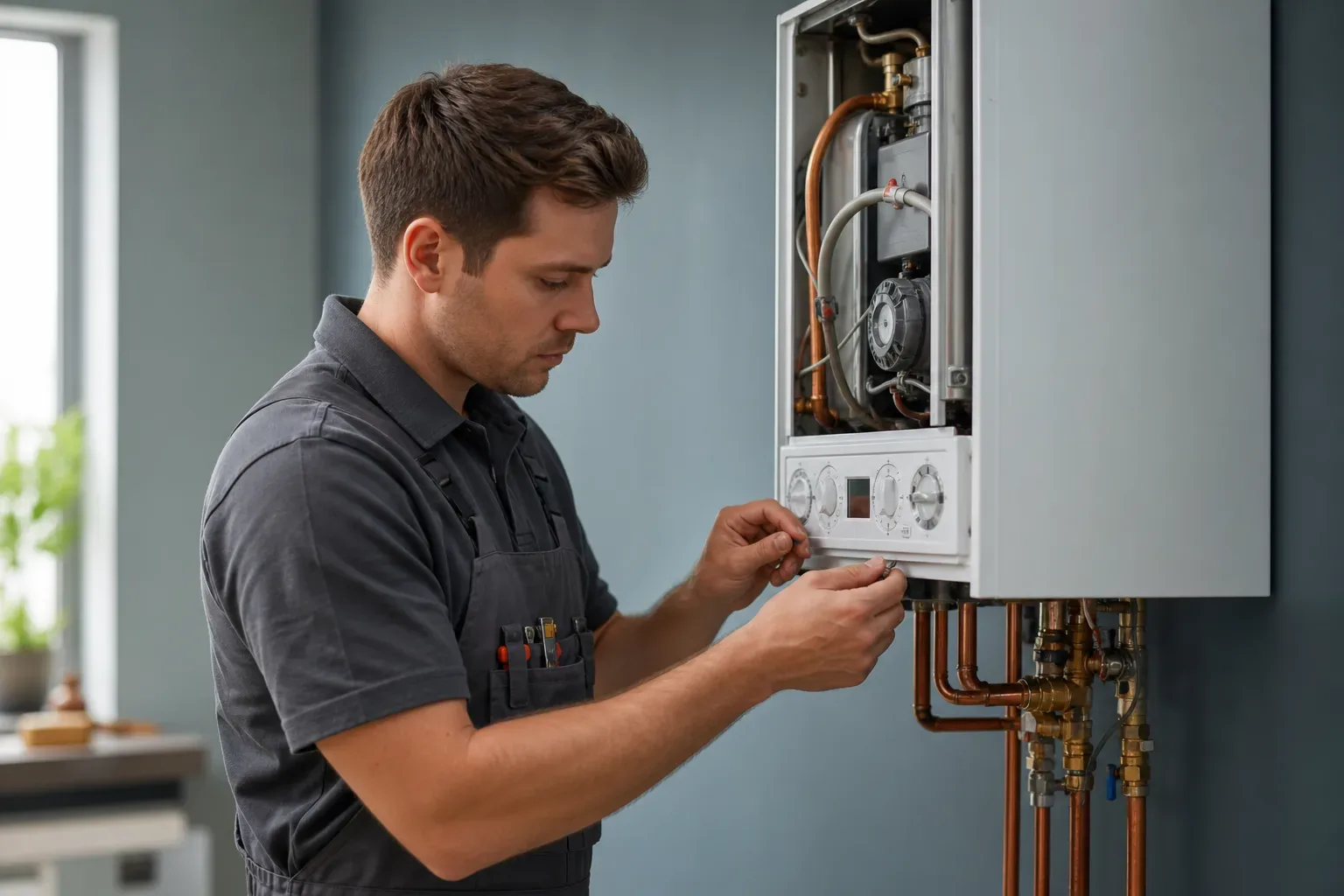
Why Edinburgh Homes Need a Reliable Heating System
Edinburgh winters are genuinely cold. Average temperatures drop to 2–4°C between December and February, and older stone-built properties, which make up a large share of the city's housing stock, lose heat quickly through solid walls and single-glazed sash windows. A well-specified central heating system is the single most effective way to keep running costs manageable and rooms consistently warm.
Many Edinburgh homeowners are also sitting on ageing boilers installed in the early 2000s or before. Boilers over 15 years old typically run at 70–80% efficiency, compared to 92–94% for a modern A-rated condensing unit. That gap translates directly into higher gas bills every month.
What Is Central Heating and How Does It Work?
Central heating uses a single heat source, usually a gas boiler, to warm water that circulates through radiators or underfloor pipes throughout the property. The boiler heats water to around 60–70°C, a pump pushes it around the system, and the radiators transfer that heat into each room. A room thermostat and thermostatic radiator valves (TRVs) let you control which rooms are heated and when.
The hot water cylinder, if your system has one, stores domestic hot water separately from the heating circuit. Combi boilers skip the cylinder entirely by heating water on demand, which suits smaller Edinburgh flats and tenements where airing cupboard space is limited.
Do I Need Central Heating?
If your Edinburgh property currently relies on electric storage heaters, gas fires, or no fixed heating at all, central heating will almost certainly cut your annual energy spend and improve comfort significantly. Electric heating is expensive to run, costing roughly two to three times more per unit than gas. Storage heaters charge overnight but cannot respond quickly to temperature changes during the day.
Gas central heating with a modern condensing boiler remains the most cost-effective option where a gas supply is available. Properties in areas without mains gas, including some rural parts of the Edinburgh outskirts, may suit an air source heat pump or oil boiler instead.
What Is the Best Central Heating System?
The best system depends on your property type, existing pipework, and fuel availability, but for most Edinburgh homes with a gas connection, a combi boiler or a system boiler with a pressurised cylinder is the practical choice. Combis are compact and work well in flats and smaller terraced houses. System boilers pair with a hot water cylinder and suit larger properties with multiple bathrooms where simultaneous demand is higher.
Heat pumps are increasingly viable following changes to UK incentive schemes. An air source heat pump installed in a well-insulated Edinburgh semi-detached could reduce carbon output substantially, though upfront costs of £8,000–£14,000 are higher than a standard gas boiler replacement at £1,800–£3,500 installed.
Comparing the Main Options
- Combi boiler: No cylinder needed, compact, instant hot water. Best for 1–3 bedroom properties.
- System boiler with cylinder: Handles higher hot water demand, suits 3+ bedroom homes.
- Heat pump: Low carbon, eligible for the Boiler Upgrade Scheme grant. Requires good insulation to perform efficiently.
- Underfloor heating: Works particularly well with heat pumps due to lower flow temperatures; retrofitting into existing Edinburgh stone floors is complex but possible.
How Much Does Central Heating Cost in Edinburgh?
A full central heating installation in an Edinburgh property, covering a new combi boiler, radiators, pipework, and controls, typically runs between £3,500 and £7,500 depending on property size and access. A straight boiler swap on an existing system is cheaper, usually £1,800–£3,500 all in.
Labour rates in Edinburgh are broadly in line with Scottish central belt averages. Gas Safe registered engineers must carry out all boiler and gas pipework work by law. Always request a written, itemised quote before work begins, and check the installer holds current Gas Safe registration, which you can verify on the Gas Safe Register website.
What Affects the Final Price?
Older Edinburgh properties, particularly Victorian tenements in areas such as Marchmont or Leith, can present access challenges: narrow closes, stone walls that require careful routing for pipes, and older radiator systems that need flushing or replacement. These factors can add £500–£1,500 to a standard installation. The number of radiators, whether you are switching fuel type, and any upgrades to the controls or smart thermostat all influence the final figure.
Boiler Servicing and Maintenance in Edinburgh
An annual boiler service costs £60–£120 with most Edinburgh heating engineers and takes around an hour. During the service, the engineer checks the heat exchanger, burner, flue, and safety devices, cleans components, and flags any parts that are showing wear. Skipping the annual service risks voiding your boiler's manufacturer warranty and increases the chance of a breakdown during cold weather.
Power flushing, which forces a cleaning solution through the pipework and radiators to remove sludge, costs £300–£600 and is often recommended when fitting a new boiler to an older system. Black sludge in the radiators reduces heat output and shortens boiler life. A magnetic filter fitted to the return pipe helps prevent sludge build-up between flushes.
Grants and Financial Support Available in Edinburgh
Scottish homeowners may qualify for support through Home Energy Scotland, which administers Scottish Government funding for insulation and heating upgrades. Interest-free loans of up to £15,000 and cashback grants are available to owner-occupiers meeting the eligibility criteria. Low-income households may qualify for the Warmer Homes Scotland scheme, which can cover the full cost of a new heating system.
The UK-wide Boiler Upgrade Scheme currently offers a £7,500 grant toward an air source heat pump. Eligibility requires a current EPC with no outstanding recommended loft or cavity wall insulation. Checking your EPC on the Scottish EPC Register before applying takes only a few minutes and confirms whether you qualify.
Getting Central Heating Work Done in Edinburgh
Start by deciding whether you need a full installation, a boiler replacement, or just a service. For a new installation or replacement, get at least three quotes from Gas Safe registered installers. Ask each one to specify the boiler brand and model, guarantee length, and what is included in the commissioning process.
Reputable Edinburgh heating companies will carry out a heat loss calculation before recommending a boiler output size. A boiler that is too large for the property short-cycles, wearing out components faster and wasting fuel. Equally, undersizing leaves rooms cold on the coldest days. Providing accurate room dimensions and describing how the property is insulated helps the engineer recommend the right specification from the outset.
Frequently Asked Questions
What Is Central Heating and How Does It Work?
Central heating uses a single heat source, typically a gas boiler, to warm water that circulates through radiators or underfloor pipes around the home. The boiler heats water to around 60–70°C, a pump moves it through the system, and radiators release heat into each room. Thermostatic radiator valves and a room thermostat let you control temperature zone by zone.
Do I Need Central Heating?
If your Edinburgh property uses electric storage heaters or gas fires as the main heat source, switching to gas central heating with a modern condensing boiler will almost always reduce your annual energy costs. Gas costs roughly two to three times less per unit than electricity, and a combi or system boiler responds far more precisely to your heating schedule than storage heaters can.
What Is the Best Central Heating System?
For most Edinburgh homes connected to the gas network, a combi boiler suits smaller flats and terraced houses, while a system boiler with a pressurised hot water cylinder suits larger properties with multiple bathrooms. Air source heat pumps are a strong option for well-insulated homes and attract a £7,500 Boiler Upgrade Scheme grant, though upfront costs are higher than a standard gas boiler.
How Much Does a New Boiler Cost in Edinburgh?
A straight boiler swap on an existing system typically costs £1,800–£3,500 installed, including parts, labour, and commissioning. A full central heating installation with new radiators and pipework runs from £3,500 to £7,500 or more depending on property size. Victorian tenements and stone-built properties can cost more due to access and pipework routing challenges.
Are There Grants for Central Heating in Edinburgh?
Yes. Scottish homeowners can apply for interest-free loans and cashback grants through Home Energy Scotland, and low-income households may qualify for Warmer Homes Scotland, which can cover the full cost of a new heating system. The UK-wide Boiler Upgrade Scheme offers £7,500 toward an air source heat pump for eligible properties with a satisfactory EPC rating.