Oil-to-Gas Boiler Conversion in Edinburgh
Why Edinburgh Homeowners Are Making the Switch
Oil heating made sense when mains gas was unavailable, but large parts of Edinburgh, including properties across Morningside, Corstorphine, and the Lothian fringes, now have gas infrastructure within reach. Switching from oil to gas typically cuts annual fuel bills by £300–£700, depending on usage and the age of the oil boiler being replaced. Gas also removes the need to manage oil deliveries, monitor tank levels, and maintain a storage tank that can corrode or leak over time.
Beyond the financial case, oil boilers are increasingly difficult to service as parts become scarcer and stricter emissions rules tighten across Scotland. A modern condensing gas boiler operating at 90%+ efficiency is a straightforward upgrade in both running costs and reliability.
Is Mains Gas Available at Your Edinburgh Property
The first step is confirming whether a gas main runs close enough to your property to make a connection viable. Cadent and SGN (Scottish Gas Networks) manage the gas distribution network across Edinburgh. SGN covers most of the city, and you can check availability using the postcode checker on their website or by calling them directly.
If a gas main already passes the street, connection is usually straightforward. Properties at the edge of the city, particularly rural plots in areas like Balerno or Kirknewton, may face a longer or cost-prohibitive connection run. Getting this confirmed early avoids wasted survey costs.
What the Conversion Process Actually Involves
An oil-to-gas conversion is not a simple boiler swap. Several distinct trades and tasks are involved, and understanding the sequence helps you plan.
Gas Metre and Supply Installation
SGN installs the gas service pipe from the main to your metre, usually at no direct charge to the homeowner, though this can vary by distance and property access. The metre itself is typically provided by your chosen gas supplier. Lead times for metre installation in Edinburgh can run two to six weeks, so book this early in the process.
Removing the Oil System
The existing oil boiler, fuel lines, and flue must be decommissioned and removed. If you have a domestic oil storage tank, this also needs draining and either removing or decommissioning in accordance with OFTEC standards. Your installer should handle oil disposal safely. Leaving a redundant tank in place without proper decommissioning creates an environmental liability.
Gas Boiler and Pipework Installation
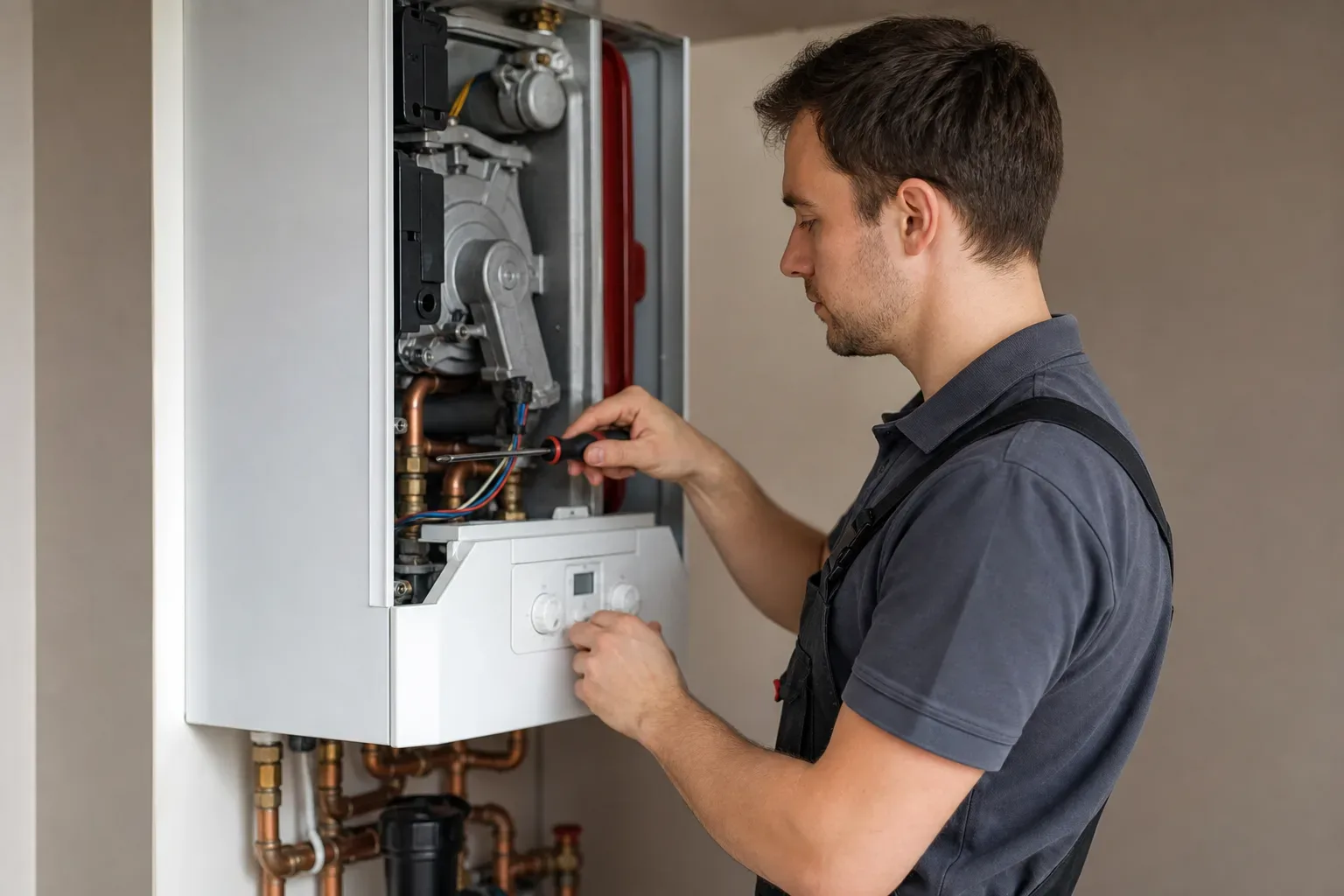
A Gas Safe registered engineer fits the new boiler, runs gas pipework to the appliance, connects it to the existing central heating and hot water system, and commissions the unit. Most Edinburgh homes with a conventional oil system convert to a combi gas boiler, which eliminates the need for a separate hot water cylinder, freeing up cupboard space. Homes with high hot water demand, typically four or more bathrooms, may be better suited to a system boiler paired with a cylinder.
Flue and Ventilation
Gas boilers require a different flue arrangement from oil. A modern condensing gas boiler uses a concentric flue that can typically exit through a wall rather than through the roof. This tends to reduce installation complexity compared to traditional oil flue routes.
How Much Does Oil to Gas Conversion Cost
Total costs in Edinburgh typically fall between £3,500 and £6,500, depending on the scale of work involved. The main variables are the length of gas pipe run from the street, the complexity of removing the existing oil system, the boiler model chosen, and whether significant pipework modifications are needed inside the property.
A realistic breakdown looks like this:
- Gas connection (metre installation): often free from SGN, but can be £500–£1,500 if a longer run is required
- Oil system decommissioning and tank removal: £300–£700
- New gas boiler supply and installation: £2,000–£3,500
- Internal pipework modifications: £200–£600
The Scottish Government's Home Energy Scotland scheme periodically offers interest-free loans and grants for heating system upgrades. It is worth checking current eligibility on the Home Energy Scotland website before committing to a quote, as support levels change.
How Long Does Oil to Gas Conversion Take
The physical installation work typically takes two to three days, but the full process from first enquiry to a working gas boiler usually takes four to eight weeks. Most of that lead time sits with SGN's metre installation schedule rather than with your installer.
The practical sequence runs as follows: confirm gas availability, get installer quotes (allow one to two weeks), book SGN for metre installation (two to six weeks), then schedule the installer to complete the work once the metre is live. Booking your installer and SGN in parallel shortens the overall timeline significantly.
Choosing a Qualified Installer in Edinburgh
All gas work must be carried out by a Gas Safe registered engineer. This is a legal requirement, not a preference. You can verify any engineer's registration on the Gas Safe Register website using their licence card number.
For the oil-side decommissioning work, look for an OFTEC-registered technician. Some firms hold both Gas Safe and OFTEC registration, which simplifies coordination. When comparing quotes in Edinburgh, check that each one itemises the oil system removal, gas pipework, boiler, and commissioning separately. A quote that bundles everything without a breakdown makes it hard to compare like for like.
Ask each installer which boiler brands they work with and whether they offer manufacturer-backed warranties. Worcester Bosch, Viessmann, and Vaillant are widely serviced across Edinburgh, which matters for ongoing maintenance. A five to ten year manufacturer warranty is standard on quality models at the 2026 market.
Getting Started with Your Conversion
The fastest way to move forward is to run two actions at the same time: check gas availability at your postcode with SGN, and request two or three quotes from Gas Safe registered installers in Edinburgh who explicitly handle oil-to-gas conversions.
Be specific with each installer: tell them you have an oil system, give them the tank location and approximate boiler flue position, and ask whether they handle the OFTEC decommissioning or subcontract it. A single contractor managing the full scope reduces handover risk and makes it easier to hold one party accountable if problems arise.
If your oil boiler is already failing or nearing end of life, prioritise getting the SGN application in immediately. That metre installation lead time is the factor most likely to delay your warm home date.
Frequently Asked Questions
How Much Does Oil to Gas Conversion Cost?
In Edinburgh, a full oil-to-gas conversion typically costs between £3,500 and £6,500. This covers gas connection, oil system decommissioning and tank removal, the new gas boiler supply and installation, and any internal pipework changes. The gas service pipe from the street is often installed free by SGN, but longer runs can add £500–£1,500. Check the Home Energy Scotland scheme for current grants or interest-free loans that may reduce the total.
How Long Does Oil to Gas Conversion Take?
The physical installation takes two to three days, but the end-to-end process usually runs four to eight weeks. The main delay is SGN's metre installation, which can take two to six weeks from application. To shorten the timeline, book your installer and submit the SGN application at the same time rather than waiting for one before starting the other.
Do I Need to Remove My Oil Storage Tank?
Yes, a redundant oil tank should be properly decommissioned and removed. Leaving it in place without decommissioning creates an environmental liability and may affect your property insurance. The work must be carried out by an OFTEC-registered technician, who will drain any remaining oil, clean the tank, and either remove it or certify it as safely decommissioned. Many Gas Safe installers in Edinburgh also hold OFTEC registration and can handle this as part of the same job.
Will My Existing Radiators and Pipework Still Work After Converting to Gas?
In most cases, yes. Existing radiators and copper pipework are compatible with a gas boiler system. Your installer will flush and clean the system during commissioning to remove sludge and debris from the oil heating era, which protects the new boiler and improves efficiency. If any radiators are significantly undersized or the pipework layout is inefficient, the installer will flag this during the survey.
Is Mains Gas Available Everywhere in Edinburgh?
Mains gas is available across most of Edinburgh, including central and suburban areas, but some properties on the city's rural fringes, such as parts of Balerno or Kirknewton, may be further from the nearest gas main. You can check availability quickly using the SGN postcode checker online or by calling them directly. If the connection run is long, SGN will quote the additional cost before any work begins, so you can make an informed decision.